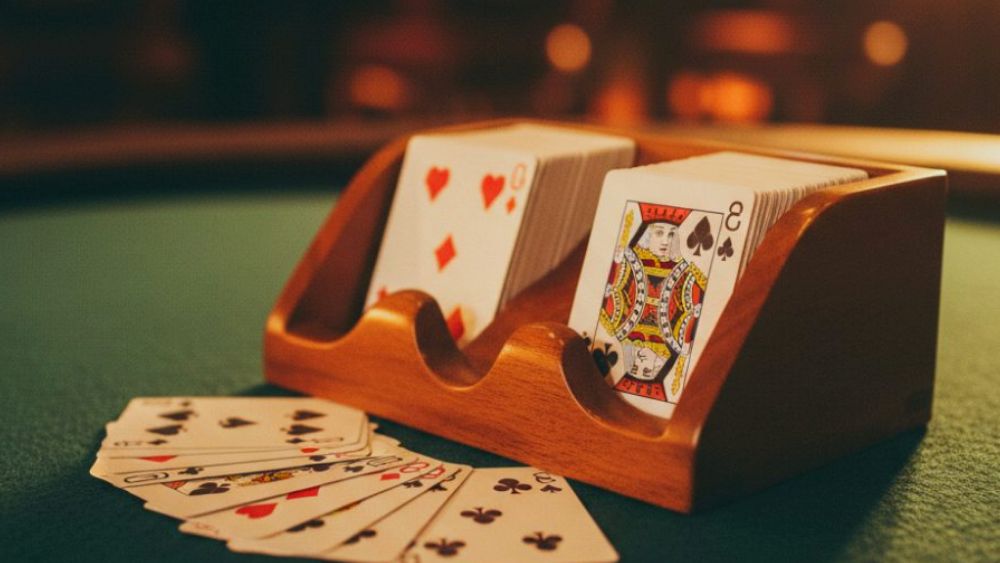
Tongits in 2026: Still the Table Game You Actually Need to Learn
Walk into any neighborhood card session in Metro Manila, Cebu, or Davao and you will hear the same three sounds: chips sliding, cards shuffling, and somebody yelling that they already have a set on the table. Tongits has been part of Filipino leisure for decades, and in 2026 it is still the default card game for small groups who want something faster than pusoy dos and friendlier than mahjong.
What trips up beginners is not the rules. It is the order of operations. Tongits rewards players who track what has been thrown, who know when to call a draw, and who understand that a low hand is worth more than a pretty one. This checklist is built for the player who has watched a few rounds and now wants to actually sit down and play without embarrassing themselves.
Before the First Deal: Table, Deck, and Buy-In
Get these five things sorted before the cards come out. Skipping any of them is how arguments start.
- Confirm the deck size. Standard tongits uses a single 52-card deck with no jokers. Some groups add a second deck for five or more players, but that changes the math on sets and runs, so agree on it first.
- Set the number of players. Two to four players is ideal. Five works. Six gets messy because the stock pile drains fast and deadlocks become common.
- Agree on the buy-in and the value per point. Whether you are playing for PHP 1, PHP 5, or PHP 20 per point, write it down or say it out loud before the first shuffle. Verbal agreements get fuzzy after three hours.
- Pick the dealer. Draw for the highest card. The dealer shuffles, offers the cut to the player on the right, and deals.
- Decide the deal count. Traditional tongits deals 12 cards to each player and 13 to the dealer, with the remainder forming the stock pile. Some houses deal 13 to everyone and adjust. Confirm the local rule.
If you are playing in an online tongits room on a Philippine platform, the software handles the shuffle and the deal, but the buy-in, the point value, and the table limit are still your call. Read the lobby rules before you tap join.
Meld, Throw, or Draw: The Three Decisions Every Turn
Once the cards are in your hand, your turn comes down to one of three moves. Learn them in this order and the game slows down for you.
Decision 1: Can you meld?
A meld is either a set (three or four cards of the same rank, like three 7s) or a run (three or more consecutive cards of the same suit, like 5-6-7 of hearts). Layout your melds face up on the table on your turn. You can also add to an existing meld on the table, including one built by another player, if the card fits.
Decision 2: If you cannot meld, what do you throw?
Discard one card face up onto the throw pile. This is where tongits is won and lost. Throw cards that do not connect to anything in your hand, and avoid throwing cards that obviously help the player to your left. If the player to your right has been collecting spades, do not hand them the 9 of spades for free.
Decision 3: Should you draw from the stock or the throw pile?
You draw one card at the start of your turn. The throw pile is only available if you can use the top card to form a meld or extend one. Otherwise, draw from the stock pile. Newer players grab the throw pile out of habit. Do not.
Rule of thumb: if the top throw does not complete a meld you can lay down this turn, leave it. Exposure is a real cost in tongits.
The Call, the Deadlock, and How the Hand Actually Ends
There are three ways a tongits hand finishes. Know all three before you sit down.
1. The call
You may call tongits when you have no cards left in your hand after melding, or when your remaining cards total zero points and you have at least one meld on the table. The call ends the hand immediately. Everyone else reveals their hands and counts their deadwood.
2. The deadlock
If the stock pile runs out and nobody has called, the hand is a deadlock. Everyone reveals. The player with the lowest total deadwood wins the round. This is why dumping high cards early matters more than building a flashy run.
3. The stock pile reset
Some house rules allow the throw pile to be reshuffled into a new stock pile when it is exhausted once. Check whether your table plays this. It changes how long a hand can run and how aggressive you should be with your throws.
Counting deadwood
- Aces count as 1 point.
- Number cards 2 through 10 count as face value.
- Jacks, queens, and kings count as 10 points each.
Lowest total wins the round in a deadlock. If you called tongits, you win outright and the other players pay based on the agreed point value.
Five Habits That Separate Casual Players From Winners
Knowing how to play tongits is one thing. Playing it well is another. These five habits show up in players who consistently walk away ahead.
- Track the throw pile like a ledger. Every card face up is information. If three 8s have been thrown, the fourth 8 is probably safe to keep or dump.
- Dump tens and face cards early. They are the deadwood that kills you in a deadlock. Get them out while the stock pile is still deep.
- Do not over-meld. Laying down every possible meld leaves you exposed and gives opponents free cards to extend. Sometimes holding a set is the stronger play.
- Watch the player to your right. Their throws are your free draws. If they keep dumping hearts, you know the heart run is not coming.
- Know when to call. A call with 0 points is a win. A call with 4 points of deadwood is just a faster loss. Do the math before you shout.
If you are practicing on a tongits app before playing for real money, use the free tables to build these habits. The rules do not change between free and paid tables, but the pressure does.
Frequently Asked Questions
How many cards do you get in tongits?
Traditional tongits deals 12 cards to each player and 13 to the dealer, with the rest forming the stock pile. Many house rules deal 13 to everyone, so confirm the count before the first shuffle.
What happens if nobody calls tongits?
The hand ends in a deadlock when the stock pile runs out. All players reveal their hands, and the one with the lowest total deadwood wins the round.
Can you add a card to another player's meld in tongits?
Yes. In standard tongits you may extend any meld on the table, including one built by an opponent, as long as the card fits the set or run. Some house rules restrict this, so agree on it first.
Is tongits the same as pusoy dos?
No. Pusoy dos is a shedding game with poker-style hand rankings, while tongits is built around sets, runs, deadwood counting, and the call. They share a deck but play very differently.