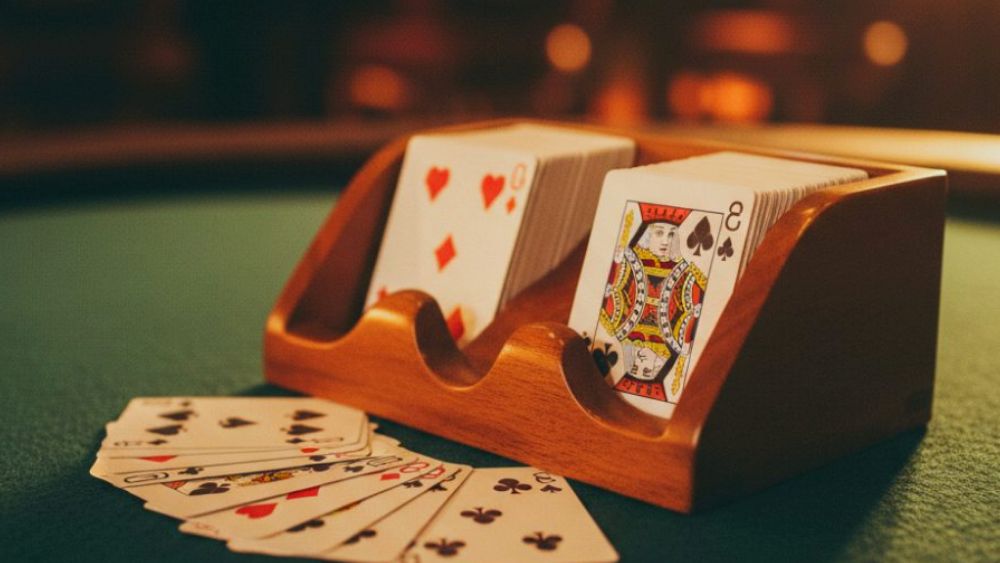
What Pusoy Dos Actually Is
Pusoy dos is the Philippine version of the Chinese game big two, and it has been part of Filipino gatherings for decades. Thirteen cards each, usually two to four players, and the goal is simple: be the first to shed every card in your hand. No teams, no banker, no dealer advantage. You win by managing your hand well and knowing exactly when to seize control.
What trips up beginners is the ranking. Unlike poker or pusoy (which uses poker hand values), pusoy dos ranks cards by number first and suit second. The 2 is the highest card, not the lowest. A single 2 beats a single ace. Suits break ties, but only in a specific order. Get those two rules into your head and the rest of the game opens up.
It travels under a few names — pusoy dos, big two, Chinese poker in some communities — but the core mechanics stay the same. If you've played sakla or tong-its, you'll recognize the rhythm, though the combinations are different.
Card Rankings: The Part Beginners Get Wrong
Here's the full ranking, lowest to highest:
3, 4, 5, 6, 7, 8, 9, 10, J, Q, K, A, 2
So the 3 is the weakest single card in the deck, and the 2 is the strongest. This matters for every combination you build, not just single-card plays. A pair of 3s is the weakest pair; a pair of 2s is the strongest.
Suits only matter when two cards share the same rank. The suit order, lowest to highest, is:
- Diamonds (weakest)
- Clubs
- Hearts
- Spades (strongest)
That means the 2 of spades is the single most powerful card in the deck — it beats the 2 of hearts, and it beats everything else outright. If two players play a pair of kings, the pair containing the king of spades wins the comparison.
Quick memory trick: numbers do the heavy lifting, suits only settle the argument. You'll never need suits to compare a 5 against a 9.
The Five Valid Combinations
You can't just throw down any group of cards. Pusoy dos recognizes five specific play types, and every play you make must match the type and card count of the previous play (except when you're leading a new round).
1. Single
One card. Beaten by any higher single card.
2. Pair
Two cards of the same rank. A pair of 7s beats a pair of 5s. If both pairs are the same rank — possible when suits split them across players — the higher suit wins.
3. Three of a kind
Three cards of the same rank. Same comparison logic: rank first, then the highest suit within the group.
4. Five-card hands
This is where pusoy dos gets interesting. Five-card plays are ranked as a separate hierarchy, from weakest to strongest:
- Straight — five consecutive ranks, any suits
- Flush — five cards of the same suit, not consecutive
- Full house — three of one rank plus a pair
- Four of a kind plus one — four same-rank cards with any kicker
- Straight flush — five consecutive cards of the same suit
A straight flush beats everything. Between two straights, the one with the higher top card wins. Between two flushes, compare the highest card, then the next, and so on.
5. The special straights
Wrapping straights are not allowed in standard pusoy dos — A-2-3-4-5 does not count, and neither does 2-3-4-5-6. The 2 sits at the top of the ranking, so a legal straight tops out at A-K-Q-J-10. Some house rules allow a low straight, but agree on that before the first hand, not after someone plays it.
How a Hand Plays Out
Deal all 52 cards. With four players, everyone gets 13. With three players, the extra card goes to the bottom of the deck or to the first player, depending on your table's rule. Two-player pusoy dos is also common and plays the same way.
Whoever holds the 3 of diamonds leads the first trick. If you're playing the common variation where the 3 of clubs leads instead, settle it before dealing.
From there it's straightforward:
- The leader plays any valid combination.
- Play moves clockwise. Each player must either beat the current play with the same type and same number of cards, or pass.
- You cannot pass and then re-enter the same trick. Once you pass, you're out until the trick ends.
- When everyone else has passed, the last player to play leads the next trick with any combination.
Keep going until someone empties their hand. That player wins the round immediately — no need to play out the remaining cards.
The first-play rule
On the very first play of the game, the lead must include the 3 of diamonds (or whichever low card your table designates). It can be part of a single, a pair, a three of a kind, or a five-card hand, but it has to be in there. After that first play, the restriction disappears.
Scoring, Penalties, and Table Etiquette
Pusoy dos is usually scored by counting the cards left in each loser's hand when the round ends. The winner collects from everyone.
Common scoring conventions:
- Per card left: typically 1 point per card, though tables often use a fixed peso value per point.
- Thirteen-card hand: if a player still holds all 13 cards when someone wins, some tables double or triple the penalty.
- Leftover 2s: holding an unplayed 2 often carries an extra penalty, since it's the strongest card and should have been used to control the table.
These aren't universal. Agree on the scoring sheet before the first deal — pusoy dos disputes almost always trace back to someone assuming a rule nobody else agreed to.
A few etiquette points that matter in real games: announce your combination clearly, don't rush the next player, and never reveal cards from a folded hand. If you've passed, keep your cards face down and your commentary to yourself.
A beginner's first-hand checklist
- Sort your hand by rank, not suit — it makes combinations visible.
- Count your 2s and your aces. They're your control cards; don't burn them early.
- Look for five-card hands before you commit to singles and pairs.
- Lead with low cards when you want to preserve strength for later tricks.
Pusoy dos rewards patience more than aggression. The player who hoards 2s and then dumps them at the wrong moment usually loses to the player who plays steady and keeps the lead.
Frequently Asked Questions
Is the 2 the highest card in pusoy dos?
Yes. The ranking runs 3 up to ace, with the 2 sitting on top as the highest single card. A 2 beats an ace, and the 2 of spades is the strongest card in the deck.
Can I play a straight that includes the 2?
Standard pusoy dos does not allow wrapped straights like A-2-3-4-5 or 2-3-4-5-6. Legal straights top out at A-K-Q-J-10 unless your table agrees to a house variation beforehand.
What happens if everyone passes on my play?
You win the trick and lead the next one with any valid combination you choose. That freedom to set the pace is a big part of pusoy dos strategy.
How do you score a pusoy dos round?
The winner collects based on the cards left in each opponent's hand, usually 1 point per card at an agreed peso value. Many tables add penalties for holding all 13 cards or for unplayed 2s, so confirm the scoring rules before dealing.