The Five-Step Poker Face Routine
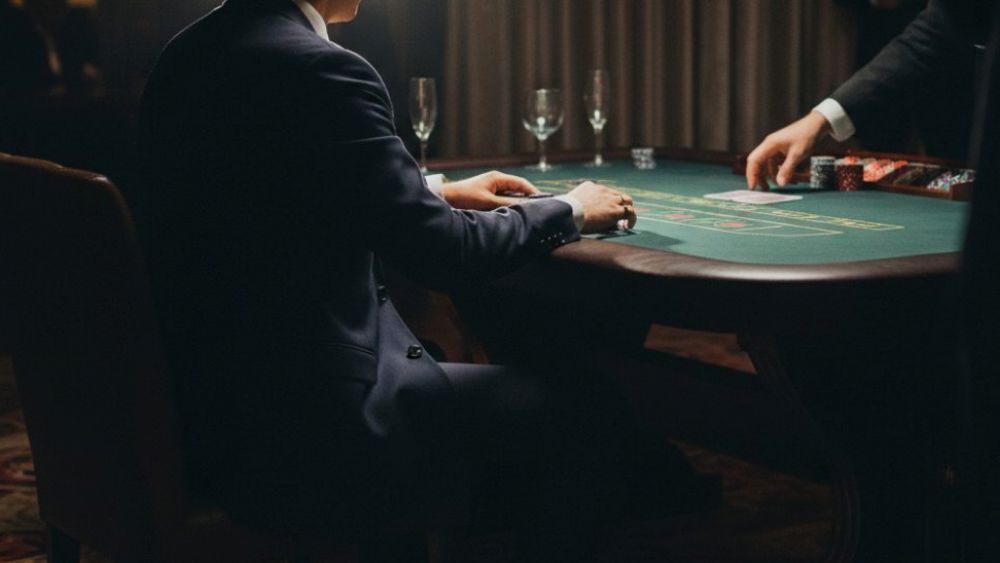
A poker face is the deliberate control of your expressions, posture, and timing so opponents cannot infer whether you are strong or weak. It is a learned skill, not a natural gift, and it matters most in live cash games and tournaments where physical tells are visible. Build it in five steps: first, settle on a neutral resting expression before you look at your cards; second, keep your breathing slow and your hands still; third, adopt a consistent bet-sizing and timing pattern; fourth, rehearse a single reaction to both good and bad flops; fifth, review your own filmed or observed hands for leaks. Each step removes one channel of information. A player who masters all five gives away almost nothing.
Step-by-Step: Building a Face That Does Not Talk
1. Set a neutral baseline before the deal
Choose a relaxed expression — lips slightly closed, eyes on the felt, shoulders down. Practise it in a mirror for two minutes daily until it feels automatic. The baseline must be identical whether you hold aces or seven-deuce. Filipino players often default to a friendly, expressive face at the table; that warmth is an asset socially but a liability informationally. Keep the warmth for conversation between hands, then reset.
2. Control the hands and the breath
Rapid breathing and fidgeting hands are the two most reliable tells across live poker rooms. Place both hands flat on the table or rest them on your chip stack. Breathe in for four counts, out for six. If you feel your heart rate spike after a big flop, take one extra second before acting — the pause reads as thought, not fear.
3. Standardise your timing
Inconsistent timing is the tell that survives even a perfect face. Decide before the session how long you will take on every decision: roughly three to five seconds for a standard call or fold, eight to twelve for a genuinely tough spot. Use a wristwatch or the room clock to stay consistent. Online, the same principle applies to your bet slider and chat behaviour — a sudden long tank on a bluff is readable in hand histories.
4. Rehearse one reaction to every outcome
Pick a single micro-reaction — a small nod, then a return to stillness — and use it after every flop, whether you hit top set or missed completely. Rehearsal removes the involuntary micro-expression that flashes for a fifth of a second when a player sees a favourable card. Casino dealers in Metro Manila rooms see thousands of hands and will notice the player who lights up only on good flops.
5. Audit yourself
Ask a friend to film your hands on a phone during a home game, or review your live hands with a coach. Watch for jaw tension, eye direction, and chip-handling speed. Most players leak information through three or fewer channels; identify yours and neutralise them one at a time.
Common Mistakes That Break the Illusion
Mistake one: over-acting. A player who stares down opponents on every big pot is broadcasting that the pot matters. Stillness is stronger than theatre. Mistake two: talking too much. Speech is the hardest channel to control; a sudden change in volume or pace is a tell. Keep table talk to the same topics and the same tempo. Mistake three: changing bet sizes with hand strength. If you bet 300 on a bluff and 900 with the nuts, no facial control will save you. Standardise sizing by position and board texture, not by hand. Mistake four: letting stack size drive emotion. Short-stack panic and deep-stack caution are readable; treat every stack as the same unit of chips. Mistake five: ignoring online tells. In online poker, timing, bet-slider use, and chat frequency replace the face. A player who never uses the time bank and suddenly does is giving away the same information as a live grimace.
A useful checklist before each session: neutral face set, hands flat, breath slow, timing plan fixed, one reaction rehearsed, phone face-down.
When a Poker Face Matters — and When It Does Not
Live cash games at Philippine casino poker rooms, typically spreading blinds from ₱25/₱50 up to ₱100/₱200, reward a strong face because opponents have physical information to read. Tournament play, with blinds rising every 20 to 30 minutes, rewards it even more: a single readable tell on a short stack can end your run. Home games with friends matter less for profit but more for fun; a relaxed face keeps the table friendly.
Online poker rooms, including those licensed by PAGCOR and offshore operators serving Philippine players, reduce the face to timing and bet patterns. A consistent pre-bet routine — same pause, same slider movement — is the online equivalent. Where the face does not matter: against recreational players who are not watching, and in fast-fold formats where opponents change every hand. Do not spend mental energy on a face no one is reading; spend it on position and pot odds instead.
Frequency matters more than intensity. A face held for every hand is suspicious in itself; the goal is a consistent, unremarkable baseline that gives an opponent nothing to exploit. Treat it as one part of a broader table-image plan alongside bet sizing, seat choice, and session length.
A Worked Example: The ₱50/₱100 Table
You are on the button with A♠ K♠ at a ₱50/₱100 live table. The flop comes K♦ 7♣ 2♥. You have top pair, top kicker. Your baseline routine: neutral face, hands flat, three-second pause, bet 60 percent of the pot. A player in early position calls. The turn is the 2♠. You repeat the same pause and bet 60 percent again. The river is the 9♦. You bet the same size. Your opponent folds, showing K♣ Q♣. Because your face, timing, and sizing were identical to the bluff you showed earlier in the session, the opponent had no reliable signal that you were value-betting. The face did not win the pot alone — the standardised routine did.
Contrast that with a player who smiles after the flop, tanks on the turn, and overbets the river. Even a recreational opponent will fold marginal hands and call only when ahead, shrinking the value of strong hands and capping the bluff. The measurable difference is not mystical: it is the number of decisions an opponent gets wrong. A consistent face and timing pattern forces opponents to guess, and guessing is where their errors come from.
Frequently Asked Questions
What is a poker face in simple terms?
It is a neutral, controlled expression and demeanour used to hide whether your hand is strong or weak. It covers the face, hands, breathing, and timing — not just the mouth.
Does a poker face work online?
Yes, but the channels change. Online, your timing, bet-slider use, and chat behaviour replace facial expressions. A consistent pre-bet routine is the online equivalent of a still face.
How long does it take to build a reliable poker face?
Most players need four to six weeks of deliberate practice — mirror work, filmed home games, and timing drills — before the routine becomes automatic under pressure.
Is a poker face more important in cash games or tournaments?
Tournaments reward it more because a single readable tell can end your run. Live cash games still benefit, but the profit difference is smaller and spread over more hands.